
How Much Cardio Do You Actually Need Each Week?

One of the biggest fitness misconceptions is that more cardio automatically means better results.
In reality, the ideal amount of cardio depends on:
- your goals
- recovery
- training style
- lifestyle
- overall activity levels
For some people, a few short sessions each week is enough to improve fitness and support fat loss. Others may benefit from more structured cardio training depending on performance goals and conditioning needs.
The key is finding the right balance between:
- cardio
- strength training
- recovery
- consistency
In this guide, we’ll break down:
- how much cardio per week most people actually need
- current cardio recommendations
- how much cardio is ideal for fat loss
- how to structure a realistic weekly cardio plan
- the best cardio equipment for home workouts
Why Cardio Is Important

Cardio training does much more than simply burn calories.
Regular cardiovascular exercise can help improve:
- heart health
- endurance
- conditioning
- energy levels
- recovery capacity
- overall fitness
Cardio can also help support:
- fat loss
- stress management
- athletic performance
- long-term health
The goal isn’t doing endless cardio, it’s doing the right amount consistently.
General Cardio Recommendations

For general health and fitness, most adults should aim for either:
Moderate-Intensity Cardio
- 150–300 minutes weekly
OR
Vigorous-Intensity Cardio
- 75–150 minutes weekly
This can include:
- walking
- cycling
- rowing
- treadmill workouts
- stair climber sessions
- interval training
These general cardio recommendations are designed to support cardiovascular health and overall activity levels.
How Much Cardio Per Week for Fat Loss?

If your goal is fat loss, cardio can help increase calorie expenditure, but it works best when combined with:
- proper nutrition
- strength training
- recovery
- consistency
For most people, a realistic starting point is:
Recommended Weekly Cardio for Fat Loss
- 3–5 cardio sessions weekly
- 20–45 minutes per session
This may include:
- steady-state cardio
- incline walking
- interval training
- low-impact cardio sessions
The best fat-loss cardio plan is usually the one you can maintain consistently long term.
How Much Cardio Per Week for General Fitness?
If your goal is improving overall fitness and health, you likely don’t need excessive cardio training.
Recommended Weekly Cardio for General Fitness
- 2–4 sessions weekly
- 20–40 minutes per session
This may include:
- walking
- cycling
- rowing
- treadmill workouts
- moderate-intensity cardio
Consistency matters far more than marathon-length workouts.
How Much Cardio Per Week for Beginners?

Beginners should start gradually to avoid:
- burnout
- excessive soreness
- recovery issues
Beginner Weekly Cardio Plan
- 2–3 sessions weekly
- 15–30 minutes per session
- moderate intensity
Beginner-friendly cardio options include:
- exercise bikes
- treadmills
- rowing machines
- cross trainers
Low-impact cardio machines are often easier to stay consistent with while building fitness.
👉 Browse Cardio Equipment Australia
How Much HIIT Cardio Should You Do?

HIIT (High-Intensity Interval Training) can be extremely effective, but many people overdo it.
Because HIIT places higher stress on the body, most people only need:
Recommended HIIT Cardio
- 1–3 sessions weekly
- 15–30 minutes per session
Popular HIIT cardio equipment includes:
- air bikes
- spin bikes
- rowing machines
- treadmills
Too much HIIT can negatively impact:
- recovery
- strength performance
- energy levels
- workout consistency
More intensity is not always better.
Can You Do Too Much Cardio?
Yes. Excessive cardio without proper recovery may contribute to:
- fatigue
- soreness
- poor recovery
- reduced gym performance
- burnout
Signs you may be doing too much cardio include:
- declining performance
- constant tiredness
- poor motivation
- excessive soreness
- struggling to recover between workouts
The goal is sustainable progress, not exhausting yourself.
Best Types of Cardio for Different Goals
|
Goal |
Best Cardio Options |
|
Fat loss |
Treadmill, Air Bike, Rowing Machine |
|
Low-impact cardio |
Exercise Bike, Cross Trainer |
|
HIIT workouts |
Spin Bike, Air Bike |
|
Full-body cardio |
Rowing Machine |
|
Endurance |
Treadmill, Rowing Machine |
|
Beginner cardio |
Walking, Exercise Bike |
The best cardio workout is often the one you actually enjoy doing consistently.
Example Weekly Cardio Plan

Here’s an example of a realistic and balanced weekly cardio plan.
|
Day |
Workout |
|
Monday |
30-minute incline treadmill walk |
|
Tuesday |
Strength training |
|
Wednesday |
20-minute rowing intervals |
|
Thursday |
Light recovery walk |
|
Friday |
30-minute spin bike workout |
|
Saturday |
Strength training |
|
Sunday |
Low-intensity cardio or recovery |
This type of structure helps balance:
- cardio
- recovery
- strength training
- overall fitness
without overwhelming recovery.
Best Cardio Machines for Home Workouts

One of the easiest ways to improve cardio consistency is having equipment available at home.
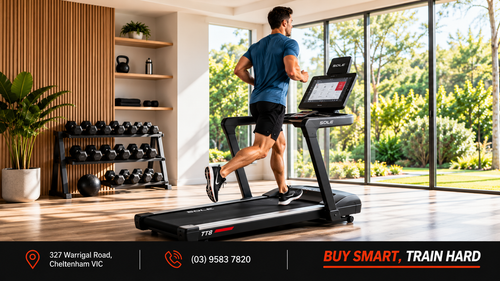
Treadmills
Great for:
- walking
- jogging
- incline cardio
- calorie burn
Exercise Bikes
Ideal for:
- beginners
- low-impact workouts
- compact home gyms
Rowing Machines
Excellent for:
- full-body cardio
- conditioning
- endurance workouts
Spin Bikes
Perfect for:
- HIIT cardio
- interval training
- endurance sessions
Cross Trainers
Smooth, low-impact cardio with full-body movement.
Should You Do Cardio Every Day?
Not necessarily.
Daily low-intensity movement like:
- walking
- cycling
- mobility work
can be beneficial for many people.
However, high-intensity cardio every day is usually unnecessary for most users.
Recovery is essential for:
- muscle repair
- energy levels
- long-term workout consistency
Cardio vs Strength Training: Which Matters More?
Both are important, but they serve different purposes.
Cardio Helps Improve:
- endurance
- heart health
- conditioning
- calorie expenditure
Strength Training Helps Improve:
- muscle mass
- metabolism
- strength
- long-term body composition
For most people, combining both provides the best long-term fitness results.
Final Thoughts
So, how much cardio do you actually need each week?
For most people:
- 2–5 cardio sessions weekly is effective
- consistency matters more than extremes
- recovery matters just as much as training
The best cardio plan is one that:
- supports your goals
- fits your schedule
- feels sustainable long term
Whether you enjoy walking, rowing, cycling, or HIIT workouts, building a realistic and balanced routine and choosing the right equipment to support it will help you buy smart, train hard.
👉 Shop Home Cardio Equipment Australia
Frequently Asked Questions
How much cardio per week should I do?
Most adults benefit from 150–300 minutes of moderate cardio or 75–150 minutes of vigorous cardio weekly.
Is 30 minutes of cardio enough?
Yes. Consistent 20–30 minute cardio sessions can improve fitness and support fat-loss goals.
Can you do cardio every day?
Low-intensity cardio can often be done daily, but intense HIIT workouts should usually be limited to a few sessions weekly.
What’s the best cardio for weight loss?
Treadmills, rowing machines, air bikes, and spin bikes are all effective for calorie burn and conditioning.
Is walking enough cardio?
Yes. Walking can absolutely count as cardio, especially when performed consistently and at moderate intensity.

Leave a comment