
How Much Does a Home Gym Cost in Australia? A Realistic Budget Breakdown
A home multi station gym in Australia currently ranges from around $799 for an entry-level single stack unit up to roughly $12,000 for a commercial-grade frame, with most households landing between $1,500 and $3,000 for a mid-tier gym that includes a leg press.
Complete fit-out packages that bundle cardio and strength equipment together run from around $1,150 up to $17,000. The gap between the cheapest and most expensive option is not random.
It tracks closely with station count, steel gauge and warranty length, so knowing where your priorities sit on that scale tells you which end of the range you actually need.
What Actually Drives Home Gym Pricing
Two home gyms priced within a few hundred dollars of each other can differ significantly in build quality, so it helps to know what the price is actually paying for.
-
Station count. A single stack entry unit sits under $1,300, while adding a leg press and cable crossover station typically pushes a model into the $1,500 to $2,900 range, and a full five station commercial frame moves past $5,000.
-
Steel gauge and cable quality. Heavier gauge steel and commercial-grade cables cost more to produce and hold up better under frequent, heavy use, which is a large part of why commercial-rated frames like the Bodycraft LX4 sit close to $12,000.
-
Warranty length. Longer warranties generally reflect a manufacturer's confidence in the components, so warranty length is a reasonable proxy for build quality when two models are priced close together.
Home Gym Cost by Tier, With Real Examples
Entry Tier: Under $1,300
This tier covers single stack multi station units built for general strength training in a smaller space. The Bodyworx 200lbs Multi Station Home Gym and the Next Fitness NFHG-10888 both currently sit at $799, with the Body Iron BHG4000 at $1,099 and the Body Iron Studio MFT100 Multi Functional Trainer at $1,299. None of these include a leg press station, so budget accordingly if that is a requirement.
Mid Tier: $1,300 to $3,000
This is where most households land, and where leg press becomes a standard inclusion rather than an upgrade. The Bodyworx LBX700HG starts this tier at $1,149, with the Body Iron BHG7000 plus Power Tower and AB Bench at $1,899, the Body Iron Studio S250 at $1,999, and the Body Iron BHG8000 with adjustable cable station at $2,099, all three including a built-in leg press. At the top of this tier, the Body Iron BHG9000 Ultimate 5-Station sits at $2,899 and the Body Iron Studio X9 All-in-One Trainer at $2,799 for buyers wanting more stations or a rack and cable hybrid.
Premium and Commercial Tier: $3,900 and Above
This tier covers five station elite trainers and commercial-grade frames built for daily heavy use across multiple users. The Bodycraft LGX starts from $3,899, the Body Iron FT750 All-in-One Functional Trainer sits at $3,999, and models like the Body Iron MFX360 Ultimate Trainer ($5,999), Bodycraft XFT Functional Trainer ($7,799) and Bodycraft LX4 Commercial ($11,999) sit at the top end for buyers who want genuine commercial-grade construction at home.
Complete Fit-Out Packages: $1,150 to $17,000
If you would rather buy a pre-built package than piece a gym together, complete fit-outs bundling a home gym with cardio and functional equipment currently span from around $1,150 for a starter set up to close to $17,000 for a fully equipped premium setup.

Multi-Station vs Buying Equipment Separately
A single multi-station machine is usually cheaper than buying a chest press, lat pulldown, cable station and leg press as separate pieces of equipment, since the shared frame and weight stack reduce the total steel and manufacturing cost. The Body Iron BHG4000 at $1,099, for example, covers three to four exercise stations in one frame at a price that would be difficult to match buying each station as a standalone machine. Buying separately only tends to make sense if you want to build a gym gradually over time, or if you have a specific requirement for one station that a multi-station frame does not offer.
Home Gym vs Gym Membership: The Real Comparison
Australian gym memberships commonly run somewhere in the $60 to $100 per month range, which adds up to $720 to $1,200 a year. Against that, an entry multi-station gym like the BHG4000 at $1,099 pays for itself in well under two years even at the lower end of that membership range, and a mid-tier unit with a leg press at around $2,000 still breaks even inside two to three years.
After that point, the home gym keeps delivering value at no ongoing cost, while the membership keeps charging every month. What a membership offers that a home gym generally does not is a wider range of equipment and the social element of training around other people, which is worth weighing honestly against the cost difference rather than treating this as a purely financial decision.
Hidden Costs to Budget For
-
Flooring. Rubber gym flooring protects your subfloor and reduces noise, and is worth budgeting for as part of the total setup cost rather than an optional extra.
-
Delivery and installation. Shipping costs and thresholds vary by location, and professional installation is worth factoring in if you would rather not assemble a multi-station frame yourself.
-
Accessories over time. Bands, an extra bench, or additional weight plates tend to get added gradually after the main purchase, so it is worth leaving a small buffer in the budget beyond the machine price itself.
High-Quality vs Budget Equipment: What the Price Difference Buys You
The spread between an entry unit at $799 and a commercial-grade frame at close to $12,000 is not just about station count. High-quality equipment typically uses heavier gauge steel, commercial-grade cables and a longer warranty, while budget equipment prioritises a lower price point with lighter materials suited to occasional use. Neither is automatically the wrong choice. A $799 unit used lightly a few times a week can last for years, while the same unit under daily heavy household use will show wear faster than a mid-tier or commercial-grade frame would.
Ways to Manage the Upfront Cost
Flexible payment options are commonly offered by Australian home gym retailers at checkout, which can make a higher-tier purchase more manageable than paying the full amount upfront. It is worth checking current payment plan providers and terms before treating this as a fixed feature of any specific listing.
Where to Start Shopping by Budget
|
Budget |
Model |
Includes leg press |
|---|---|---|
|
$1,099 |
No |
|
|
$1,999 |
Yes |
|
|
$2,099 |
Yes |
|
|
$2,899 |
Yes |
|
|
$1,150 to $17,000 |
Varies by package |
|
|
All budgets |
Varies by model |
Common Mistakes When Budgeting for a Home Gym
-
Buying on price alone. Two units within a couple hundred dollars of each other can differ significantly in steel gauge and cable quality, which shows up after a year of use, not in the first week.
-
Forgetting flooring and delivery in the total budget. These add to the real cost of a setup and are easy to overlook when comparing sticker prices between models.
-
Assuming the cheapest option is always false economy. A $799 unit used lightly a few times a week is a perfectly reasonable choice, not automatically the wrong one.
-
Ignoring warranty length when comparing price. A slightly higher price with a longer warranty is often the better value over the life of the equipment.
Shop by Budget
The four models referenced above, from entry-level to top of the mid-tier.

BHG4000
No leg press
$1,099
VIEW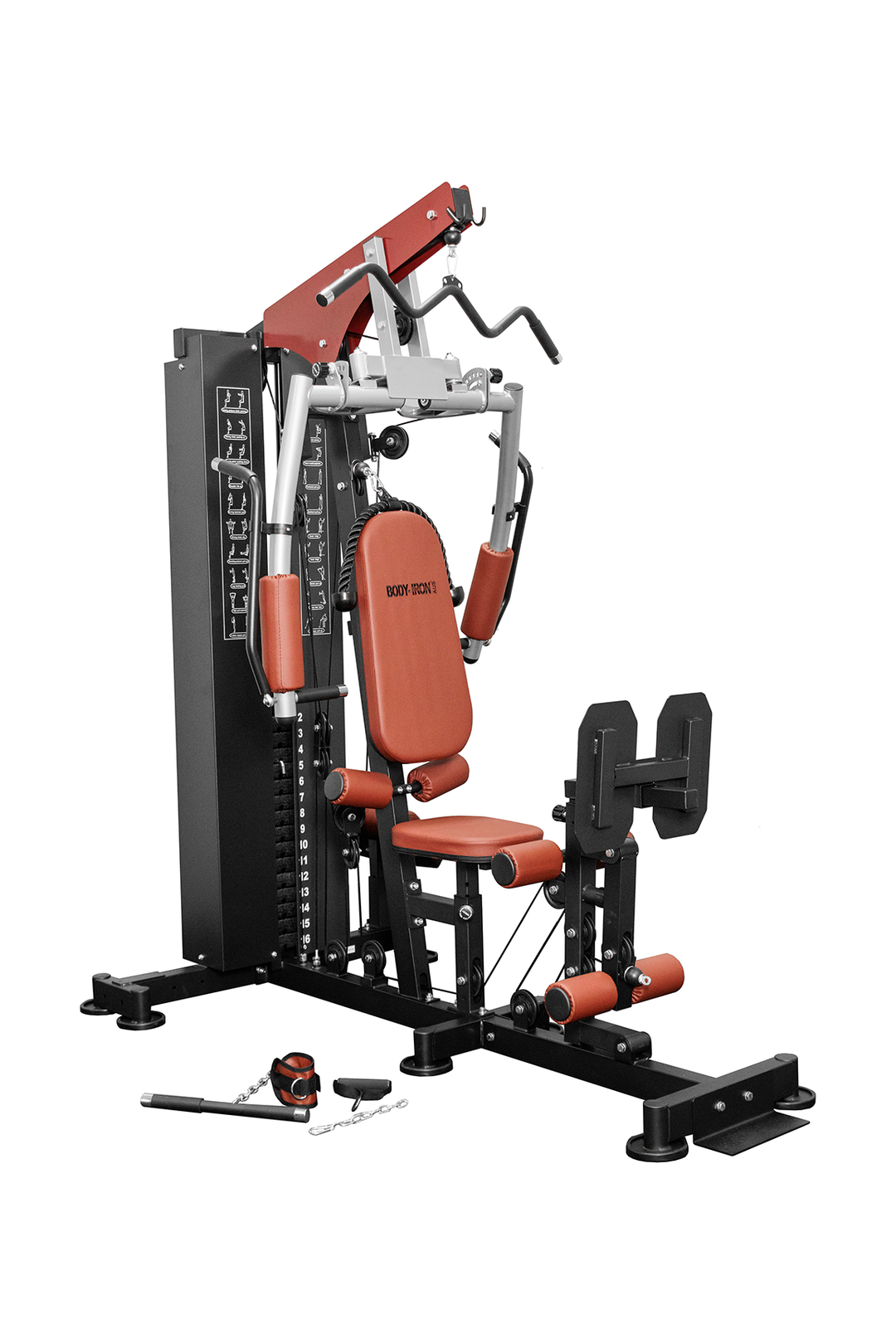
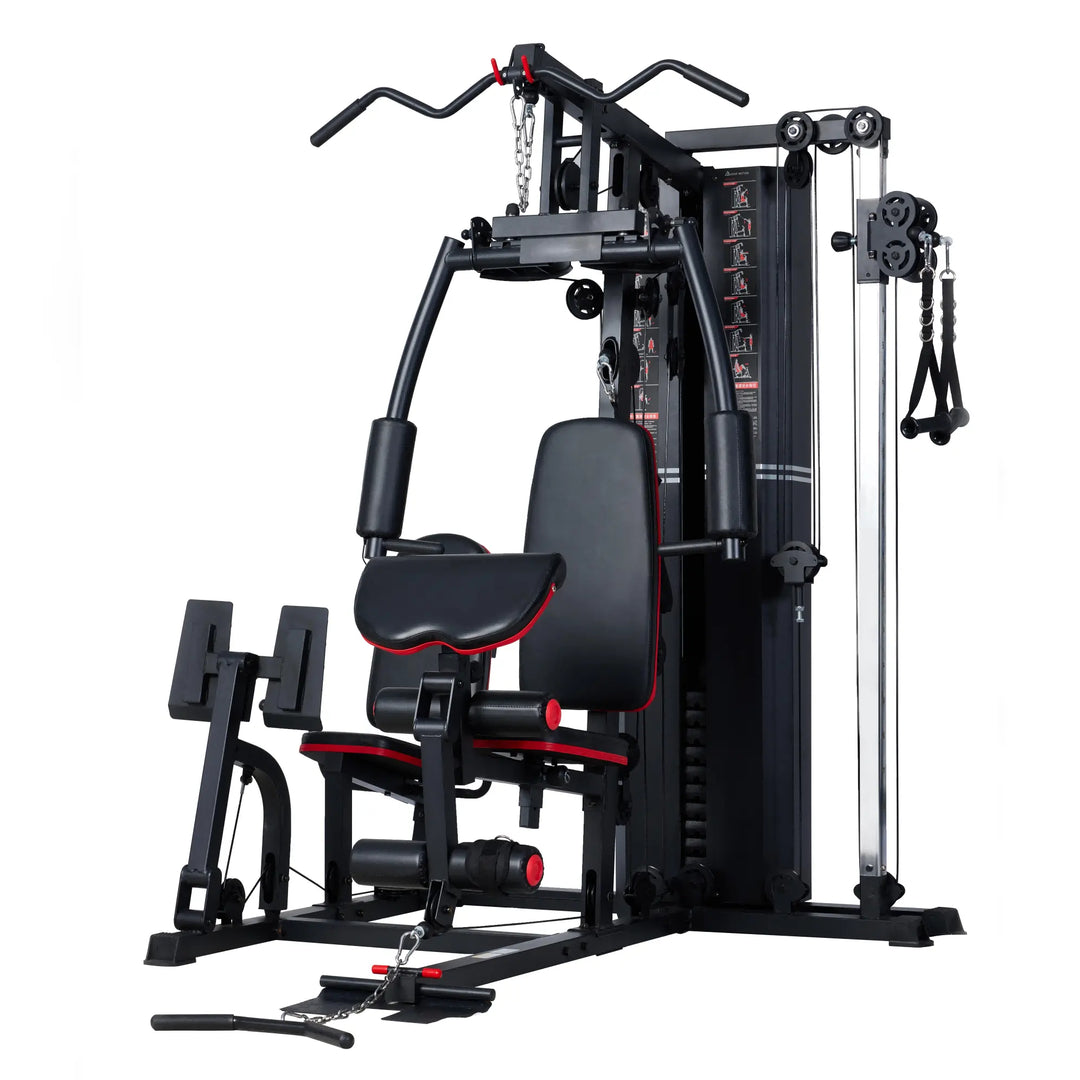

BHG9000 5-Station
Leg press + power tower
$2,899
VIEWFrequently Asked Questions
Q. What is a realistic budget for a home gym in Australia?
A. Entry multi-station gyms start around $799 to $1,300, mid-tier units with a leg press typically run $1,500 to $3,000, and commercial-grade frames sit from around $3,900 up to $12,000. Complete fit-out packages span roughly $1,150 to $17,000 depending on what is included.
Q. Are cheaper home gyms worth buying, or do they wear out fast?
A. Cheaper home gyms are worth buying for light, infrequent use, but lighter steel gauges and shorter cable life mean they tend to wear faster under daily heavy use than mid-range or commercial-grade units.
Q. Does home gym price correlate with warranty length?
A. Generally yes, since heavier steel gauges and commercial-grade components that justify a longer warranty also cost more to manufacture, so warranty length is a reasonable proxy for build quality when comparing models.
Q. What makes one home gym more expensive than another?
A. Price mainly reflects station count, steel gauge, cable and pulley quality, and warranty length rather than brand recognition alone, so two similarly priced models can differ significantly in build quality.
Q. Is it cheaper to buy separate gym equipment or one multi-station machine?
A. A single multi-station machine is usually cheaper than buying a chest press, lat pulldown, cable station and leg press separately, since the shared frame and weight stack reduce the total steel and manufacturing cost.
Q. What counts as high-quality gym equipment versus budget equipment?
A. High-quality gym equipment typically uses heavier gauge steel, commercial-grade cables and a longer warranty, while budget equipment prioritises a lower price point with lighter materials suited to occasional use.
Q. Are payment plans available for home gym equipment?
A. Flexible payment options are commonly offered by Australian home gym retailers at checkout, so this should be confirmed against current checkout options before publishing as a fixed claim.
Q. Does shipping cost extra on top of the home gym price?
A. Shipping costs and thresholds vary by retailer and location within Australia, so the exact shipping terms should be checked against the current shipping policy before being stated as a fixed figure.
Check our Home Gym collection page to know more
Leave a comment