
How to Stop Your Garage Gym Equipment from Rusting
Building a garage gym is one of the best investments you can make for your health, but it comes with one common challenge: rust.
Garages are naturally exposed to moisture, temperature changes, and limited airflow, making them one of the easiest environments for gym equipment to corrode. The good news? With the right setup and a few simple habits, you can keep your equipment looking and performing like new for years.
Why Gym Equipment Rusts in a Garage
Rust forms when metal reacts with oxygen and moisture (a process called oxidation).
Here are the biggest culprits:
- humidity and condensation
- sweat buildup
- poor ventilation
- damaged coatings
- dust and debris
If left untreated, rust doesn’t just affect appearance, it can impact performance, compromise moving parts, and shorten the lifespan of your equipment.
1. Control Moisture (This Is the #1 Priority)
Rust thrives in humid environments, so managing moisture is critical.
What to do:
- use a dehumidifier in enclosed spaces
- improve airflow with fans or by opening doors/windows
- avoid placing equipment directly against walls
- install rubber gym flooring to reduce moisture from concrete
Concrete floors can hold and release moisture over time, so creating a barrier between your equipment and the ground makes a big difference.

2. Wipe Down Equipment After Every Session
Sweat is one of the fastest ways to accelerate rust.
Simple habit:
- wipe down equipment after each workout
- dry barbells, benches, and machines
- focus on high-contact areas (handles, knurling, seats)
If you’re using equipment regularly, this becomes even more important due to constant skin contact and salt exposure from sweat.

3. Apply Protective Coatings
Protective coatings act as a barrier against moisture and air exposure.
Best options:
- light oil (e.g. 3-in-1 oil) for barbells and metal surfaces
- silicone-based sprays for general protection
- rust-prevention sprays for added durability
- regular lubrication for moving parts
This is especially important for barbells, where the knurling can trap moisture and sweat.
4. Keep Equipment Off the Floor
Garage floors, especially concrete can trap moisture, increasing rust risk.
What to use:
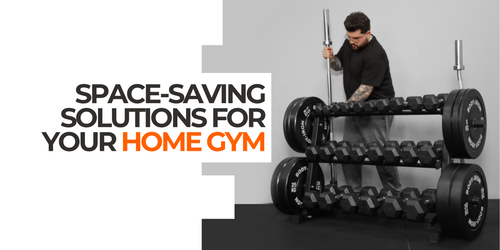
Keeping equipment elevated not only helps prevent rust, but also improves organisation and safety.

5. Improve Your Garage Setup
Small upgrades can significantly reduce moisture exposure:
- seal gaps to limit outside humidity
- add insulation to reduce temperature swings
- install proper gym flooring
- cover equipment if not in use for long periods
A well-organised setup also improves airflow and reduces dust buildup around your equipment.
6. Inspect and Maintain Regularly
Rust starts small, catching it early is key.
Check monthly for:
- small rust spots
- chipped coatings
- rough or pitted surfaces
- stiff or noisy movement
If you spot rust:
- lightly scrub with a brush or cloth
- apply a rust remover if needed
- reapply a protective coating

7. Choose the Right Equipment Finishes
When buying new equipment, the finish matters.
More rust-resistant options:
- best: stainless steel, cerakote
- good: chrome, zinc-coated
- requires maintenance: bare steel
Higher-quality finishes can reduce maintenance and extend the lifespan of your equipment.
Final Thoughts
A garage gym doesn’t have to mean dealing with rust.
With a few simple habits like controlling moisture, cleaning regularly, and storing equipment properly will help protect your setup for years to come.
You’ve invested in your training. Make sure your equipment lasts as long as your goals do.
Quick Checklist
- Keep humidity low
- Wipe equipment after workouts
- Apply protective coatings
- Store gear off the ground
- Use proper gym flooring
- Inspect equipment regularly


























Leave a comment